Quick answer
Upload one clear photo to Starrd's David Blaine template and it generates a full-body clip of that person doing the David Blaine dance — the TikTok routine set to K-Trap's UK drill track 'David Blaine' — synced to the sound. It costs 100 credits (about $5), works on any subject in the photo, and there's no prompt to write.
The same dance, any subject — tap one to make it with your photo.
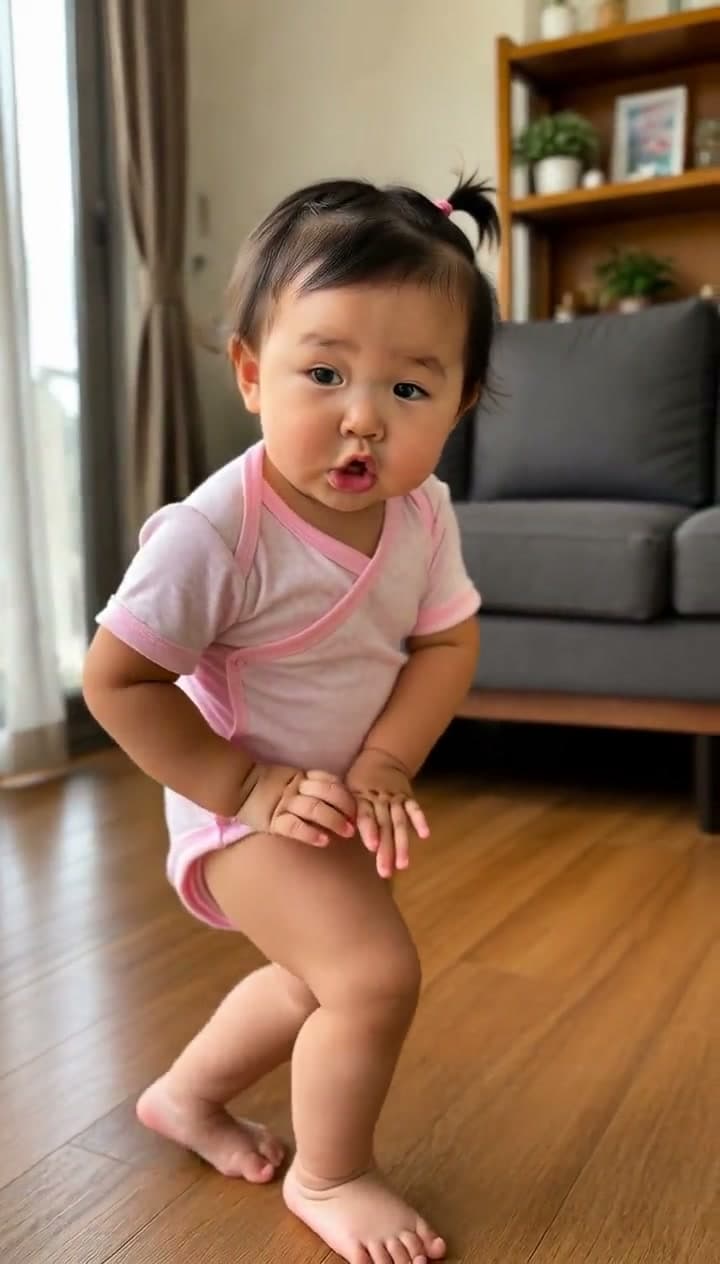
One photo in, and out comes that person doing the David Blaine dance — the street-filmed routine riding K-Trap's drill track back across TikTok in 2026, performed full-body with the kind of swagger most of us can't hold for fifteen seconds. That's the clip above: one still photo of a toddler, nothing else.
David Blaine
Drop any photo and watch them hit the David Blaine dance — the full routine, mapped move-for-move and synced to the sound. One tap, no prompt.
The Song Is Nine Years Old
"David Blaine" by K-Trap came out in January 2017 — a stripped, ominous UK drill record built on heavy 808s. It sat in the catalogue for the better part of a decade before TikTok pulled it back out in 2026 and attached a dance to it, which is a pattern worth noticing: a track that already has a fanbase and zero current saturation is exactly the kind of sound a routine can attach itself to cleanly. K-Trap's own account has been posting the dance, which is the rare case of an artist actively feeding a trend on their own record rather than discovering it after the fact.
The routine is upright and gesture-led rather than footwork-led: weight rocking between the feet, sharp pointing, hands fluttering up near the face on the accents, and a wide arms-out spread on the drop — usually filmed straight down the middle of a residential street, mouthing the words at the camera.
If you're searching for this and getting card tricks and glass boxes, that's expected — the track is named after the magician, and the illusionist owns the search term. Add "K-Trap" or "dance" to your query and the trend shows up.
Why It Suits AI Better Than Most Routines
Two reasons this one converts well.
The performance is in the hands and the face. The feet barely leave the ground. That's the opposite of an athletic routine, and it means the model isn't being asked to invent a full body's worth of momentum — it's being asked to hold a stance and land gestures on the beat, which is the thing motion control is actually good at.
The attitude is castable. The routine is grown-man swagger, so the comedy scales with how far your subject is from that. A toddler doing it with total commitment reads better than a competent adult doing it correctly. Same reason the street-filmed original works: the setting is mundane and the confidence is not.
How to Make It (3 Steps)
- Pick one clear photo. Single subject, front-facing, good light — full-body or three-quarter framing gives the hands room to read.
- Open the David Blaine template at the top of Starrd's Dance category.
- Upload and generate. You get a vertical 9:16 clip of your subject doing the routine, sound included. 100 credits — about $5, no subscription, credits never expire.
One Tap, Not a Pipeline
Doing this yourself means finding a clean source clip of the trend, running it through a motion-transfer tool like Viggle, and patching the artifacts — a green-screen workflow for a dance whose whole appeal is that it looks like someone just walked outside and did it.
The template collapses it: choreography built in, performer regenerated fresh with your subject's likeness held consistent, sound synced, vertical output. Upload, tap, post.
David Blaine
The full routine from one photo — pointing, hand flutters, arms-out on the drop. 100 credits, about $5.
Common Mistakes
- A shoulders-up crop. The pointing and the arms-out spread are the whole routine — give the model some body.
- Group shots. One subject only, or the model doesn't know who's dancing.
- Posting it as "David Blaine" with no other context. You'll get filed next to magic tricks. Put the track or the trend in your caption so the right audience finds it.
- Skipping consent. Someone else's photo? Ask first. In-on-the-joke versions travel; ambushes don't.
Related Reading
- How to Make an AI Dance Video — the pillar guide: every named routine in the library, same one-photo workflow.
- How to Make an AI Baby Dance Video — the baby cut of this format, which this routine suits particularly well.
- How to Make the That's The Jawn AI Dance — the other loose, attitude-led routine in the library.
- How to Make Your Pet Dance With AI — the dancing dog/cat version.
- Browse all dance templates →